Three weeks across Kenya and Tanzania sounds generous until you see it written out night by night. A traveler on a popular travel forum recently posted a 21-night split covering Amboseli, Tarangire, Ngorongoro, the Serengeti, and the Maasai Mara. They asked a fair question: is this too much safari? The honest answer is no. Twenty-one nights is not too long. The problem is almost never the total count. It is how those nights get divided between parks, and how much time gets burned on repeat driving. Touring Insights breaks down where a typical split goes wrong. Below is how to fix it without cutting a single night from the trip.
The Real Question: Too Long, or Just Poorly Paced
Twenty-one nights across two countries and five ecosystems averages three nights per stop. That is a comfortable rhythm for most travelers. Fatigue on a trip like this rarely comes from being away too long. It comes from too many one- and two-night stands and back-to-back long drives. It also comes from visiting two places that offer nearly the same experience. The Serengeti and the Maasai Mara are one continuous ecosystem split by a border. Booking heavy time in both, on top of a full Amboseli and Ngorongoro program, is what turns 21 nights into a marathon instead of a holiday.
Where a Typical 21-Night Split Goes Wrong
Here is a common version of this itinerary, as travelers actually book it. It pairs a Tarangire, Ngorongoro, and Serengeti circuit with an Amboseli opener and a Mara closer.
| Stop | Nights | Common Pacing Issue |
|---|---|---|
| Nairobi (arrival) | 1 | Necessary, but often followed immediately by a long drive |
| Amboseli | 3 | One night more than needed for the core sightings |
| Tarangire | 2 | Well paced |
| Ngorongoro Crater rim | 2 | Well paced |
| Central Serengeti (Seronera) | 3 | Well paced |
| Northern Serengeti (Kogatende) | 3 | Overlaps heavily with the Mara below |
| Maasai Mara | 6 | Doubles up on the same migration ecosystem |
| Nairobi (departure) | 1 | Fine as a buffer night |
The pattern above totals 21 nights. But it stacks nine nights across two neighboring migration zones that show the same herds and the same predators. That is the pacing problem, not the calendar.
The Night-by-Night Fix: A Rebalanced 21-Night Split
Keep the same 21 nights and the same five destinations. Just move the nights around so each stop earns its place and the trip stops backtracking.
| Stop | Nights | Why This Works |
|---|---|---|
| Nairobi (arrival) | 1 | Recovery night before an early transfer |
| Amboseli | 2 | Two full game drives cover the elephant herds and Kilimanjaro views |
| Tarangire | 2 | Unchanged, distinct baobab and elephant density |
| Ngorongoro Crater rim | 2 | Unchanged, one full crater floor descent day |
| Central Serengeti (Seronera) | 3 | Unchanged, reliable big cat sightings year-round |
| Northern Serengeti OR Maasai Mara | 7 | Pick one migration anchor based on season, not both |
| Nairobi (departure) | 2 | Extra buffer night, useful given flight schedules |
| Free nights to reallocate | 2 | Add a rest day at any camp, or a short coastal extension |
This version removes the doubled-up migration stop. It hands those recovered nights back to the traveler as genuine choice: more time at one excellent camp, or a short add-on trip.
Amboseli: Two Nights Is Enough to Open the Trip
Amboseli National Park covers about 392 km2 at the foot of Kilimanjaro. Most of the classic sightings happen within a compact area around the swamps. Two nights gives a traveler an evening and a full morning game drive, plus a second morning for the swamp circuit where elephant herds gather to feed. Camps like Tortilis Camp and Ol Tukai Lodge sit inside or near the park, cutting transfer time to almost nothing. Nairobi to Amboseli runs about 240 km by road, a 4 to 5 hour drive. It is also roughly 45 minutes by light aircraft from Wilson Airport to Amboseli Airport. For a retiree-paced trip, where comfort matters more than saving a night, flying in is worth the extra cost.
Crossing to Tanzania: Namanga Border Realities
Most overland Amboseli-to-Tanzania routes cross at Namanga, a real border town about 80 km from the Amboseli gate area. That drive takes roughly 1.5 to 2 hours on a mixed tarmac and murram road. From Namanga, Arusha sits another 110 km away, about 2 hours further. Border formalities for foreign visitors typically take 1 to 2 hours. It is worth knowing that Tanzania is not part of Kenya’s single East Africa Tourist Visa, so a separate Tanzania visa is required. Travelers who would rather skip the road crossing entirely can fly Amboseli or Nairobi direct to Kilimanjaro or Arusha airport instead. That adds cost but removes a half-day of driving from the trip.
Tarangire and Ngorongoro: The Two Nights That Earn Their Place
Tarangire National Park spans roughly 2,850 km2. It is known for ancient baobab trees and some of the highest elephant densities in Tanzania, especially along the Tarangire River in the dry season. Arusha to Tarangire is about 118 km, a 2 to 2.5 hour drive. From Tarangire, Ngorongoro is another 145 km, 3 to 3.5 hours, usually routed through Karatu. The Ngorongoro Conservation Area covers about 8,292 km2. The crater floor itself sits at roughly 260 km2, about 2,286 meters up on the rim. Conservation fees run at an indicative USD 70-80 per person per day, plus a separate crater service fee of an indicative USD 250-300 per vehicle for the descent. One full day on the crater floor is enough. It is one of the most concentrated wildlife viewing areas in Africa. A second day rarely adds much beyond what the first delivers.
Serengeti and the Mara: Pick Your Migration Window, Don’t Double Up
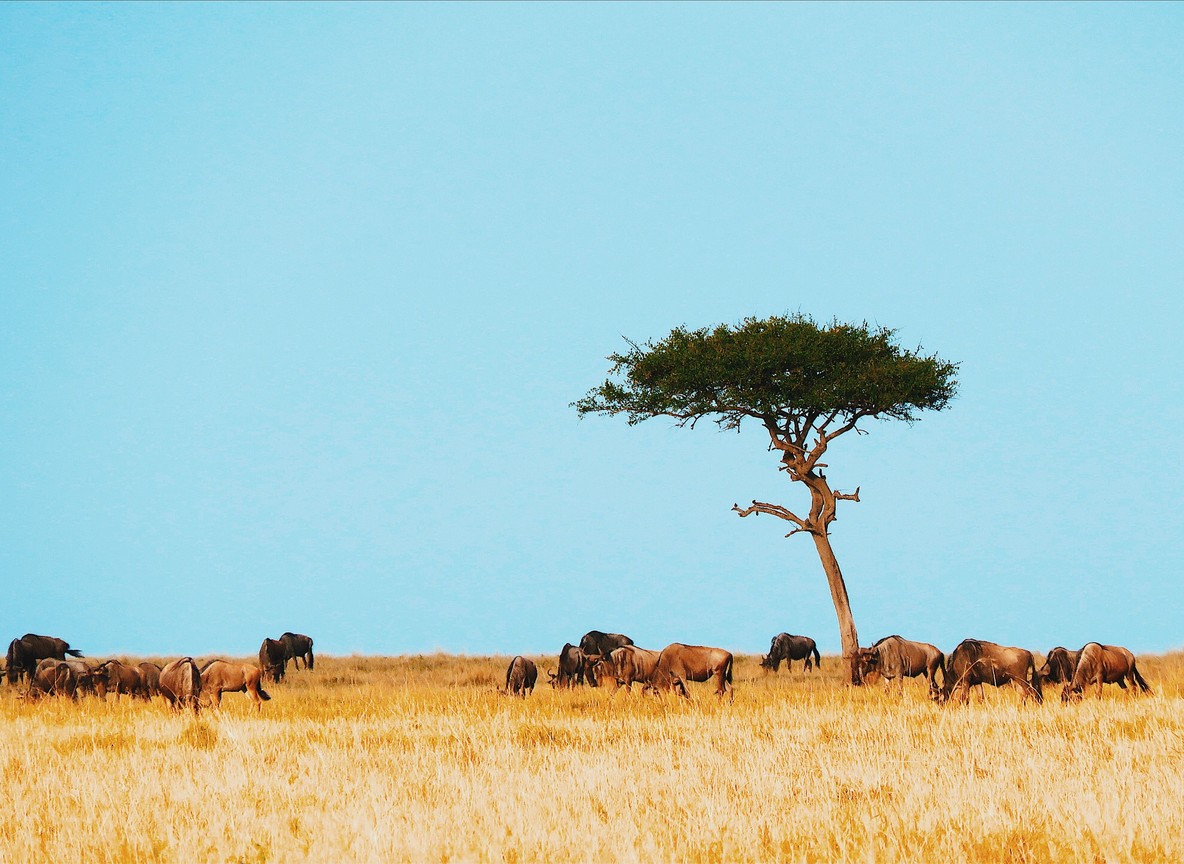
This is the fix that saves the trip. Central Serengeti is reached from Ngorongoro via Naabi Hill Gate in about 3 to 4 hours. It delivers strong resident predator sightings any time of year and earns its three nights easily. The mistake is adding a full northern Serengeti stop and a full Maasai Mara stop to the same trip. Both cover the same wildebeest migration during the July to October crossing season. Both cover largely empty plains outside that window. Choose one based on timing. During the Mara River crossing months, some operators run an overland transfer between northern Serengeti camps and the Mara through the Sand River border gate. That transfer takes roughly 3 to 4 hours including formalities, so a traveler can still see both regions without doubling the nights spent chasing the same herds.
Explorer Notes
Pack layers for the crater rim. Ngorongoro’s elevation means mornings can drop close to 10°C, even when Amboseli was over 30°C two days earlier. Ask any camp along this route about vehicle configuration before booking. Pop-top Land Cruisers with three rows and guaranteed window seats matter far more on a three-week trip than on a five-day one, since the same seat gets used day after day. If joint mobility or long transfers are a concern, request the light aircraft option between Nairobi and Amboseli, and between the Serengeti and the Mara, rather than the full road transfer. It adds cost. But it removes the two longest driving days from the schedule, which matters more over 21 nights than on a shorter trip.
What to Read Next
- Comparing the Serengeti and Maasai Mara for the same trip? See the migration timing breakdown above before picking one.
- Building the Tanzania leg on its own? Tarangire and Ngorongoro pair well as a standalone 6 to 7 night circuit.
- Wondering about vehicle comfort on long safaris? Ask about pop-top 4×4 configurations before confirming any camp on a multi-week route.
FAQ
Is 21 nights too long for a Kenya and Tanzania safari? No. Twenty-one nights is a comfortable length for five ecosystems if the nights are distributed well. The common complaint about pacing usually comes from doubling up on the Serengeti and Maasai Mara rather than the total trip length.
How many nights should I spend in Amboseli? Two nights is enough to cover the swamp circuit and the classic Kilimanjaro backdrop shots. A third night rarely adds new sightings.
How long does the Namanga border crossing take? Formalities typically take 1 to 2 hours for foreign visitors, on top of the roughly 1.5 to 2 hour drive from Amboseli to the border itself.
Should I visit both the Serengeti and the Maasai Mara on the same trip? Only if timed around the July to October river crossing season, when an overland transfer through the Sand River gate can link both in a single direction. Outside that window, pick one to avoid repeating the same landscape.
Do I need a separate visa for Tanzania if I already have Kenya’s East Africa Tourist Visa? Yes. Tanzania is not included in that visa, so a separate Tanzania visa is required even on a combined trip.
Twenty-one nights can carry a traveler through Amboseli’s elephants, Ngorongoro’s crater floor, and one well-timed migration stop without ever feeling rushed. The difference between a trip that drags and one that flows sits entirely in the split. Check the Tour Packages page for combined Kenya-Tanzania routings. Or bring this rebalanced schedule to a partner operator and ask them to confirm current camp availability against it.